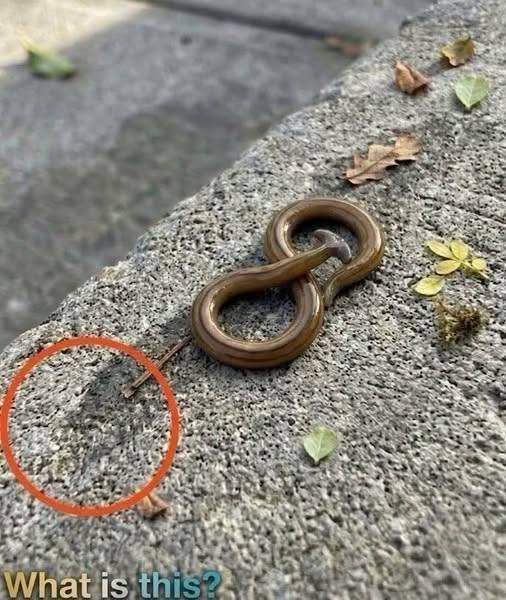
I Stepped Outside Early One Morning and Found Something I Couldn’t Explain at First..seee more

Spotting an unfamiliar creature in your yard can be surprising, especially when it looks unlike anything you’ve seen before. After a rainfall or while tending a garden, you might notice a long, flat worm gliding across damp soil, a sidewalk, or a mulch bed. At first glance, it may resemble a large earthworm or even a slug, but a closer look reveals something much more unusual—a hammerhead worm.

Recognizable by its distinctive shovel- or hammer-shaped head, the hammerhead worm is not an ordinary garden visitor. While finding one isn’t necessarily a reason to panic, it is a good idea to understand what it is, why it’s there, and how to respond if you encounter one.

What Is a Hammerhead Worm?

Hammerhead worms are land-dwelling flatworms belonging to a group known as planarians. Unlike the familiar earthworms that help improve soil health, hammerhead worms are predators.


Their bodies are flat, smooth, and can range from a few inches to well over a foot in length, depending on the species. Their broad, fan-shaped heads make them easy to distinguish from other worms found in gardens.

They thrive in warm, humid environments and are commonly seen after heavy rain or in areas where the soil stays consistently moist.

Where Are They Usually Found?

Hammerhead worms prefer damp environments that provide both moisture and a reliable food supply. You may find them in:

  • Garden beds
  • Flower borders
  • Under mulch
  • Compost piles
  • Beneath rocks or logs
  • Shaded sidewalks
  • Damp lawns
  • Around potted plants

Because they avoid direct sunlight, they’re most active during early mornings, evenings, or after rainfall.

Why Gardeners Pay Attention to Them

Earthworms are often called “nature’s gardeners” because they improve soil by breaking down organic matter, increasing aeration, and helping nutrients reach plant roots.


Hammerhead worms, however, feed on earthworms.

They use a sticky secretion to capture their prey before consuming it. In areas where hammerhead worms become abundant, they may reduce local earthworm populations, which can negatively affect soil quality over time.

Finding a single hammerhead worm doesn’t necessarily indicate a serious problem, but repeated sightings may suggest a larger population has established itself nearby.

Are They Dangerous to People?

Hammerhead worms are generally not aggressive toward humans or pets, but experts recommend avoiding direct contact.


Some species produce toxins and mucus that may cause mild skin irritation or allergic reactions in sensitive individuals. Researchers have also identified tetrodotoxin—a potent neurotoxin—in certain hammerhead worm species, although casual contact is unlikely to cause serious harm.

Even so, it’s best to handle them cautiously and avoid touching them with bare hands.

If contact occurs, simply wash your hands thoroughly with soap and water.

Continued on the next page

Leave a Reply

Your email address will not be published. Required fields are marked *