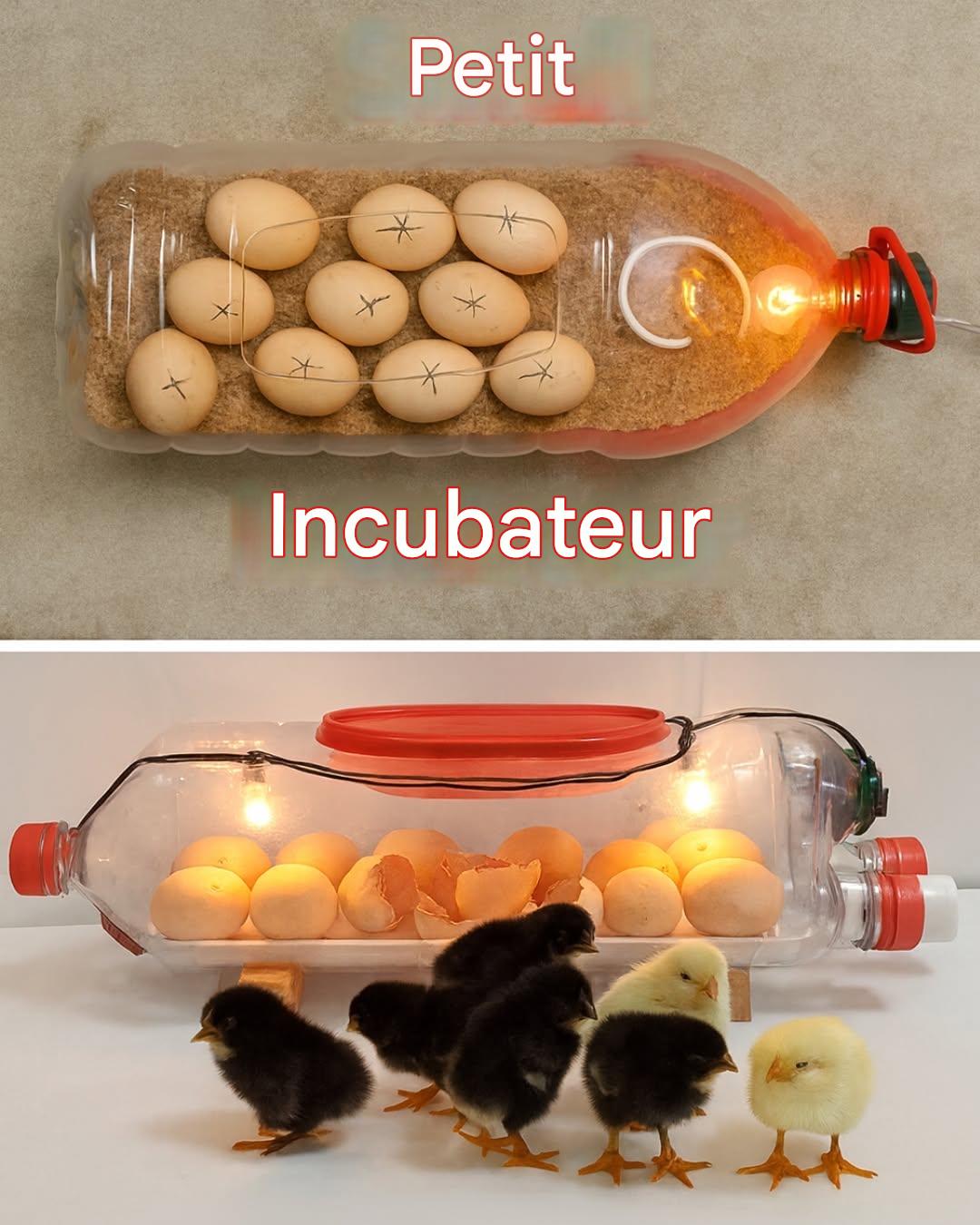
How to Turn a Simple Water Bottle into an Egg Incubator

These six steps offer a practical approach, but success isn’t guaranteed. Research shows consistent temperature, humidity, and turning are critical for hatching, with simple setups like this achieving up to 60% success rates in ideal conditions. Be cautious—improper handling can spread bacteria, and electrical setups risk fire if not monitored. Start with a few eggs, check conditions daily, and stop if issues arise. Hatching outcomes vary based on egg quality and setup precision.

Take Margaret, a 67-year-old retiree who wanted fresh eggs but couldn’t afford a fancy incubator. She built a water bottle incubator after researching local poultry guides, using eggs from a neighbor’s hen. Over 21 days, she hatched three chicks, boosting her joy and confidence in her new hobby. Her story shows how a simple project, done carefully, might make a difference.

Why focus on this incubator? It’s a low-cost, accessible way for seniors to start a rewarding hobby, using items likely at home. Unlike commercial incubators, it’s budget-friendly, but it requires diligence to succeed. If you have limited mobility or health concerns, ensure you can safely manage the setup or ask for help. Pair with habits like researching egg sources or joining local poultry groups for support.

Leave a Reply

Your email address will not be published. Required fields are marked *